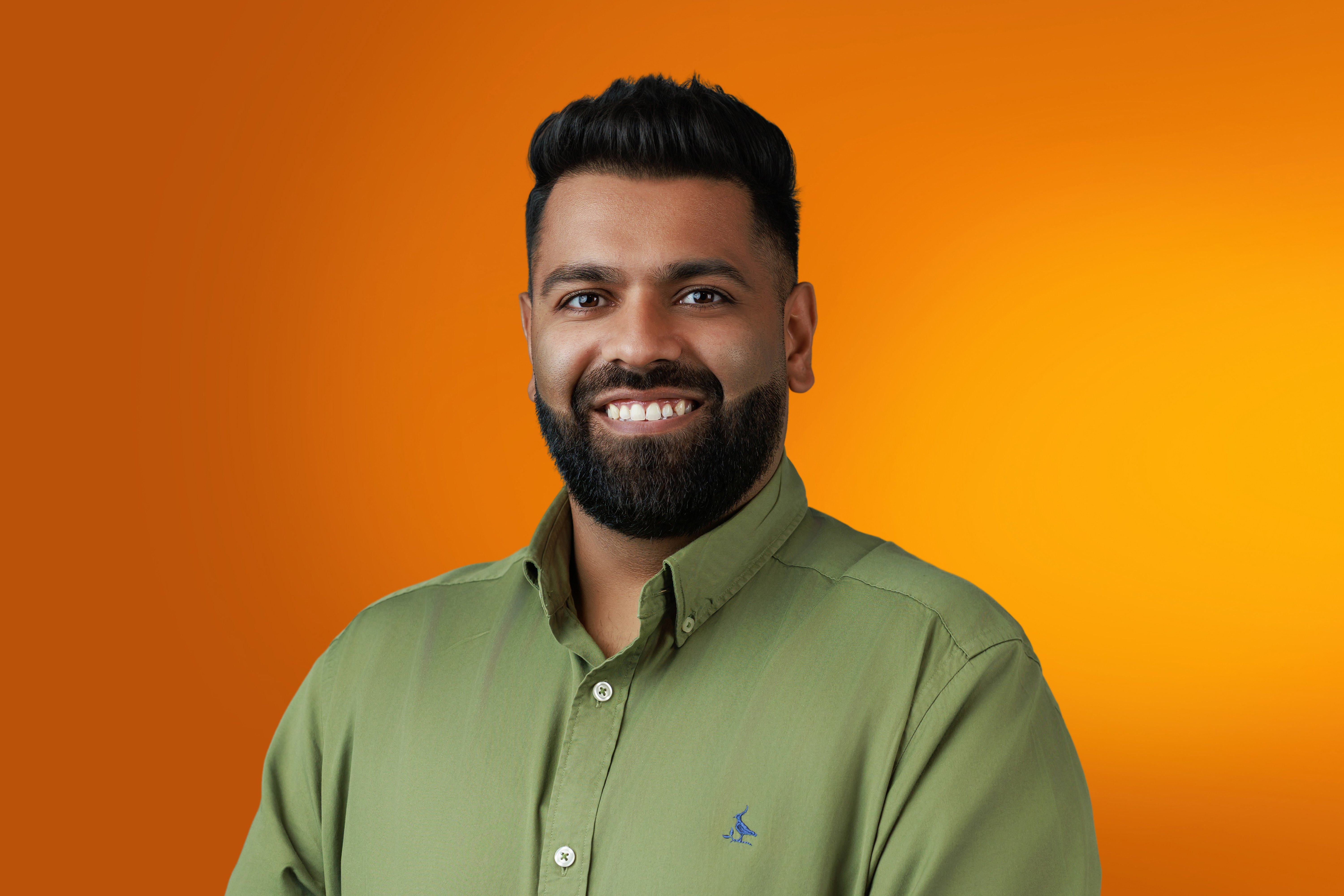
What do you do at Allica and what does a typical day look like?
I head up the cashflow finance team. We provide lending to businesses based primarily on their cashflow rather than tangible security. In simple terms, we back strong, growing businesses based on their performance and future potential rather than hard assets.
The transactions are often event-driven – management buyouts, acquisitions, or buy-and-build strategies – alongside some growth and working capital funding. Usually, we’re supporting businesses that are either growing organically or looking to acquire.
My first few months were about building the product and proposition from scratch. Now, it’s all about recruitment and getting the right people in place.
Day-to-day, I’m still involved in looking at transactions myself, but a big part of my role right now is building out our team. We’re creating a structure with regional leads who will originate and complete deals, backed up by an associate and a relationship manager who will support customers post-completion.
What was your first job?
My first job was as a telephone banking advisor for a bank in Glasgow. It was an entry-level role and my introduction into banking. That was about 20 years ago, so banking worked quite differently then. I’m not sure I’d enjoy sitting on the phones five days a week now, but at the time it was a great experience and a solid starting point for my career.
How did you get into cashflow finance, was it something you always wanted to do?
It was really a combination of roles I’d held at previous banks. I spent seven years at a bank leading the Central London SME commercial team, including through COVID. For the last 18 months there, I moved into the structured finance team. That mix of commercial SME exposure and structured finance experience shaped what I do now.
Before that, I worked across commercial and mid-market banking, supporting SMEs and lower mid-market clients. Bringing all those roles together gave me exposure to leadership, cashflow lending, and working closely with growing businesses.
I think I always knew I wanted to work in banking. I’ve always liked numbers and knew I’d do something financial. Banking was a natural fit and something I fell into quite comfortably.
What is your favourite thing about working for Allica?
The culture. I’ve worked at a number of banks over 20 years, and culture is always talked about however here it feels embedded.
As the bank grows, maintaining that culture is really important. Things like the “bar raise” interviews for certain roles – focused on the person rather than just technical capability – show that character and values really matter here. That stands out.
If you weren't working in finance what would you be doing?
I think I would have gone into something related to fitness or psychology. Both areas have always interested me, particularly understanding how people think and how to help them improve or perform at their best.
What are you looking forward to most in 2026?
Getting the team fully up and running. The proposition is built, we’re looking at deals, and we’ve got live transactions in credit but we’re still early in terms of headcount.
Once the full team is in place and embedded, we can really push forward and focus on growing the balance sheet and scaling the product.
What do you enjoy most about working with your team?
My immediate team is small at the moment, but we sit within the wider Growth Finance team under Ian Flaxman. Even though we’re separate teams, there’s a real sense of unity.
Everyone is helpful, positive, and motivated. Integration has been easy because people have a good attitude and genuinely want to support each other. At the same time, everyone wants to perform; nobody is coasting. You can’t really do that here and that’s a good thing. It creates a strong atmosphere where people contribute and want to do well, rather than just feeling pressure to hit targets.
What's the best thing about working in London?
I love the energy of the city. It’s always busy and there’s constantly something going on. It also creates plenty of opportunities to meet people, develop professionally and keep learning new things.
What's your go to way to switch off?
Spending time with my wife and kids. I’ve got a seven-year-old and a ten-year-old, so there’s not much switching off in reality! Exercise and staying active are important to me, they help me reset and clear my head.