
Fraud centre
Suspect fraud?
Call us now
Think you've been targeted by fraud, or not sure if a message or call is really from us?
Call on 0330 094 3333. We're here 9am to 5pm, Monday to Friday.

Keeping your business safe from fraud
Preventing fraud is a team effort. We’re always working behind-the-scenes to keep your business safe, but you can help us keep the fraudsters at bay.

Test your business
How fraud-safe is your business?
Answer 10 questions and get an idea of how protected your business is from fraud.
When in doubt, press the red button
If something feels off, remember this.
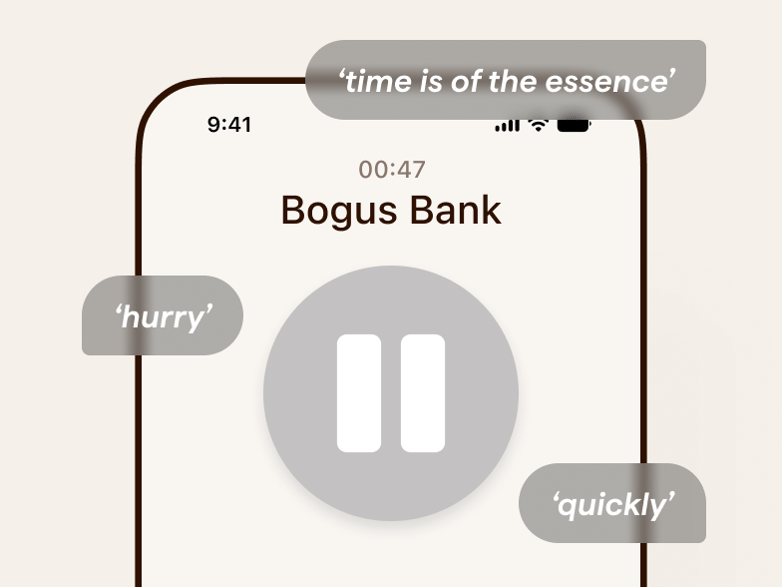
Pause
If you’re being pushed to act quickly, it’s time to slow down. Fraudsters create urgency because it stops you thinking clearly. If it’s really us calling, we’ll always let you take a moment to check and reset.
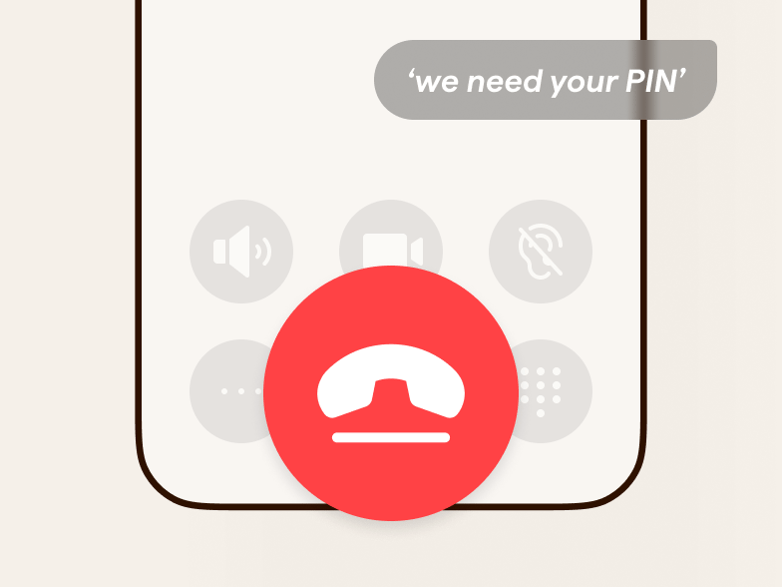
Hang up
We will never ask you for your PIN, passcode/password, or ask you to transfer money to a different account. If someone on the phone asks you anything like that, hang up. It’s most likely a scam.
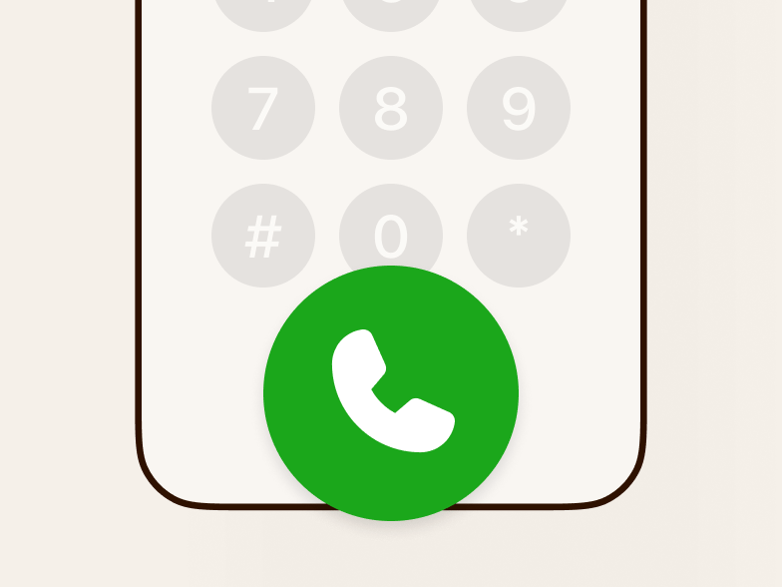
Call us back
If you’ve had a suspicious call and want to check with us, use a number you know and trust – like the one on the back of your card.
Recognise the scams
These are the common ways fraudsters target established businesses. Learn about the warning signs, the ways to fight back, and the protections you can put in place.
Account takeover attempts
What it looks like: A fraudster steals an employee’s login details through email phishing or computer malware, then tries to access your account
Watch out for:
- Calls claiming to be from Allica Bank
- Password-reset emails you didn’t request
- Logins from unfamiliar locations, devices or times
- Anyone asking for passcodes, one-time codes or security details
Protect your business: Use strong passwords, multi-factor authentication, and never share codes with anyone. Report lost or stolen phones and devices as soon as possible.
Read our article on account takeover scams to understand them in more detail.
Authorised push payment (APP) fraud
What it looks like: A supplier emails to say their bank details have changed. The message looks real, but the account isn’t.
Watch out for:
- Sudden changes to payment instructions
- Slightly different email addresses or domains
- Requests to “pay today” or “urgent same-day payment required”
Protect your business: Always call a trusted number to double-check.
Read our article on authorised push payment fraud to understand it in more detail.
Fake invoices and supplier impersonation
What it looks like: Realistic invoices that copy supplier branding and billing patterns to send a convincing fake invoice.
Watch out for:
- Different or unfamiliar account names
- Invoices arriving earlier or later than usual
- Urgent payment requests or threats if you don’t pay immediately
Protect your business: Use two-person checks, PO matching, and compare past invoices.
Read our article on supplier verification to understand it in more detail.
Phishing, spoofing and impersonation
What it looks like: Emails, texts or calls pretending to be from Allica, HMRC, utilities companies or even the police. They aim to make you panic, click a link or share sensitive information.
Watch out for:
- Messages asking for personal or banking details
- Links that don’t match official domains when you hover over them
- Callers who won’t let you hang up and call back on a trusted number
Protect your business: Never click unexpected links – always go directly to allica.bank. If you receive an unexpected email asking you for details, to click on links or open attachments, report this as phishing immediately.
Read our article on phishing, spoofing and CEO impersonation to understand them in more detail.
Card-not-present and online payment fraud
What it looks like: Fraudsters use stolen card details or compromised accounts to make online purchases or set up subscriptions.
Watch out for:
- Small “test” transactions you don’t recognise
- New subscriptions or recurring payments you didn’t set up
- Sudden international payments or unusual merchants
Protect your business: Enable payment and transaction notifications and review your transactions often. Keep track of who in the business can make payments.
Read our articles on securing your app, payment approvals, and unauthorised fraud for more information.
Bogus customers and vendors
What it looks like: Someone poses as a new client or supplier to trick you into sending goods or refunding money.
Watch out for:
- Overpayments followed by refund requests
- Requests to ship goods before payment has cleared
- Companies with little or no online presence or verifiable details
Protect your business: Verify every new relationship and wait for cleared money.
Read our article on supplier verification to understand it in more detail.
Expand for more answers +
How to protect your business
Some timeless advice for fighting back against fraud.
Multi-factor authentication
Add a second layer of security beyond your password. This could be a one-time verification code or a fingerprint or face scan. Never share this code with anyone – not even us.

Set up payment approvals
Add a second pair of eyes to outgoing payments. It takes a few extra minutes and stops a fraudster from successfully isolating and manipulating one person.
Verify suppliers
If a supplier says their bank details have changed, call them on a number you already have and trust – never one from the email itself.
Train your team
Fraud can target anyone in your business. Build it into onboarding and revisit it regularly so the whole team knows what to look out for.

Secure your details
Use strong, unique passwords, keep software updated, and avoid public wifi for online banking. Make sure the right people have the right access in your account.
How Allica keep your account safe
Your security is our priority and we’re working 24/7 to maintain it.
Real-time transaction monitoring
We use advanced tools to flag unusual activity.
Strong authentication
Multi-factor authentication helps ensure it’s really you.
Specialist fraud and security team
Specialists who monitor activity and help you when you need support.
Clear reporting routes
You can reach us quickly by phone or through your relationship manager.
Regular guidance
We’ll keep you informed about new scams and how to stay safe.
Dedicated relationship manager
A direct point of contact who’ll support you through any fraud concerns.
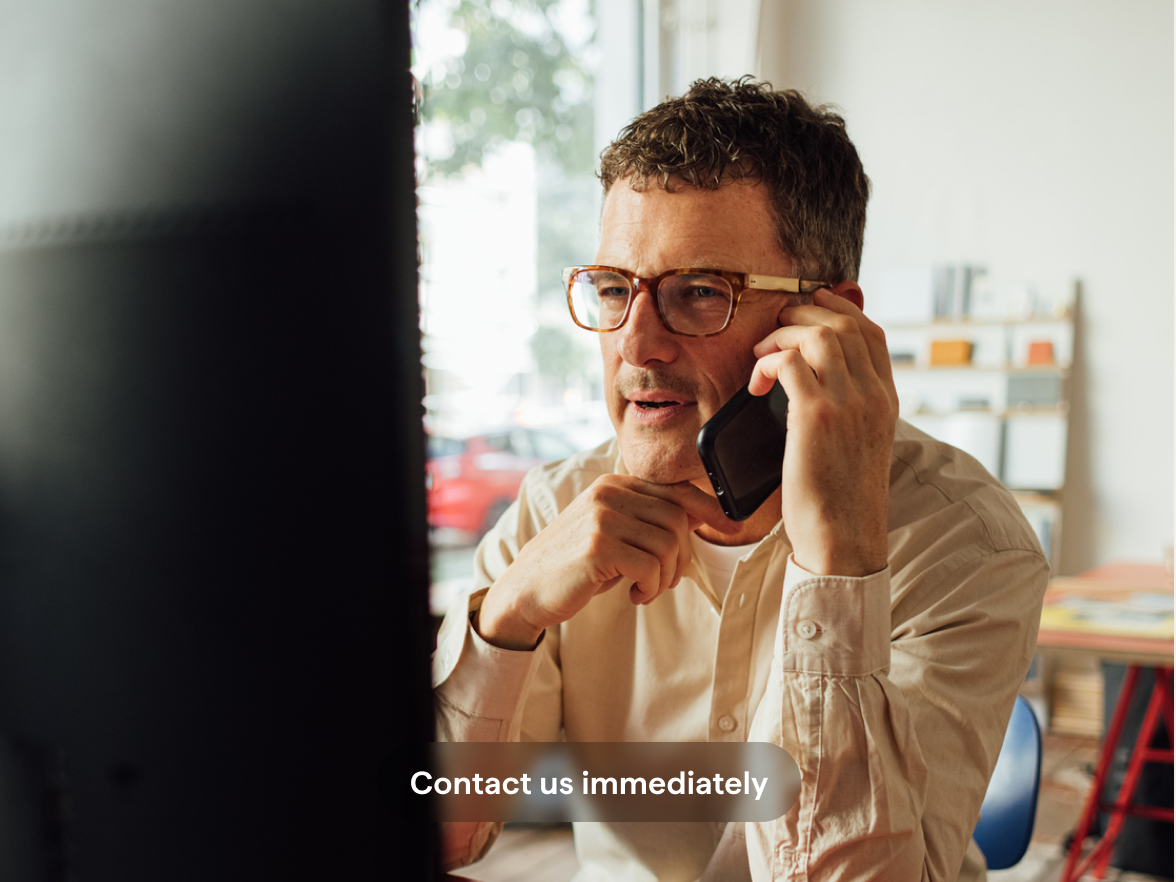
Think you’ve been targeted?
Here's what to do if you're worried about a fraud attempt.
Contact us immediately
Call 0330 094 3333 or get in touch with your relationship manager.
The sooner we know, the sooner we can help secure your account.
Don’t reply to suspicious messages
We will never ask you for your PIN, passcode/password, or ask you to transfer money to a different account. If someone on the phone asks you anything like that, hang up. It’s most likely a scam.
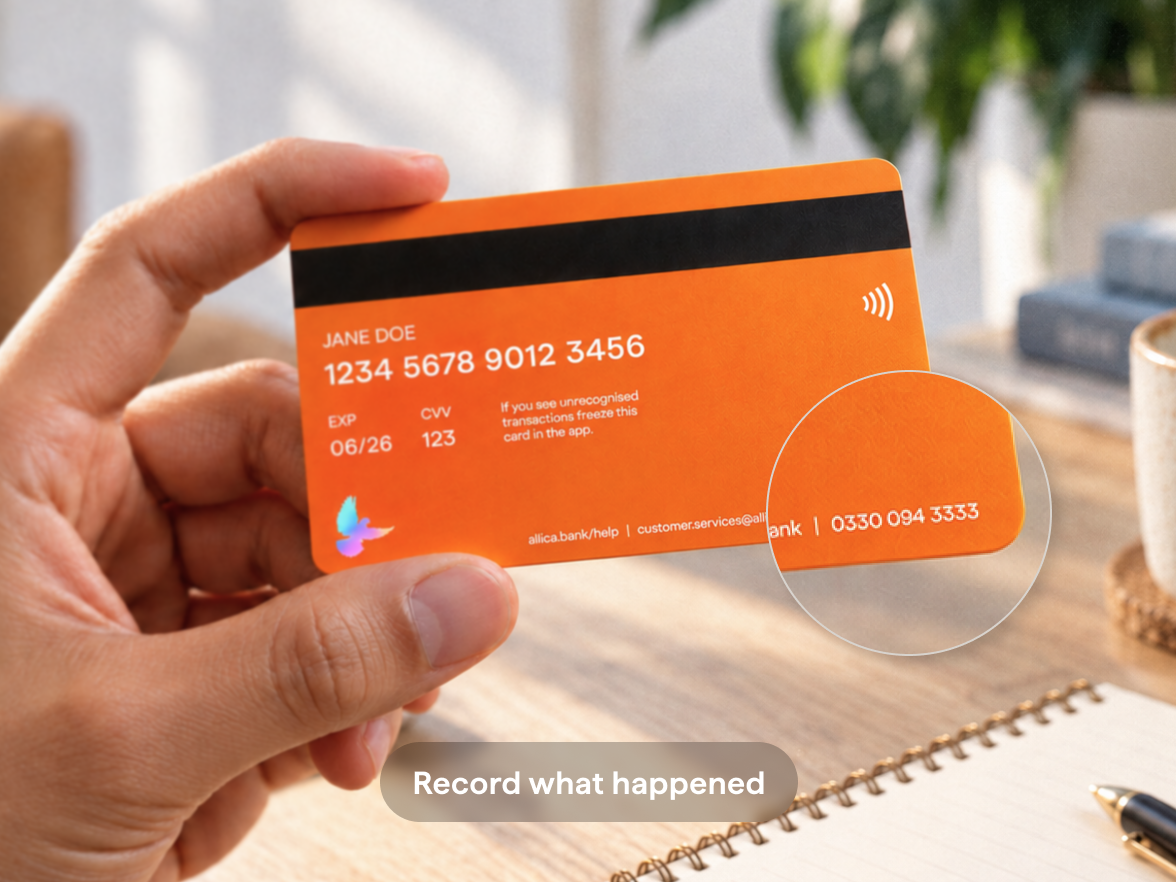
Record what happened
If you’ve had a suspicious call and want to check in with us, use a number you already know and trust. The number on your card or our dedicated fraud line, for example. Don’t use a number the caller provided nor the same number that rang you.
Contact Report Fraud
Reporting helps stop the same fraudster targeting other businesses.
Report Fraud is the UK’s reporting centre for fraud and cybercrime.
Out-of-hours support
Fraud doesn’t keep office hours
If our lines are closed, you can still protect your account.
1. Block your card
If your card is lost, stolen or compromised, use online banking or your Allica Bank app to freeze it as soon as you can.
2. Send us a message
Send our fraud team a message, so they have all the context as soon as they’re back online.
3. Tell Report Fraud
After securing your card or account, report the situation to Report Fraud so they can investigate and, hopefully, stop them.
4. Call us when lines reopen
Call us on a trusted number. We can review your account activity, and offer you support.
Disputes
If you’ve made a purchase with your Allica card and something has gone wrong, we are here to help.
You may have been charged incorrectly, received faulty goods, the goods have not been delivered, or have not received a promised refund, you may be eligible to request a Chargeback.
What is a chargeback?
A chargeback is a form of extra protection you have when paying with your Visa card. It allows us to attempt to recover funds from the merchant if they have not fulfilled their obligations with the Purchase.
When can I raise a chargeback?
You can request a chargeback for multiple reasons, here are some common examples:
- You were charged after cancelling a recurring payment.
- You did not receive an item you ordered online, or it arrived damaged.
- A merchant failed to issue a promised refund, or refunds associated to refundable bookings.
There are some important rules you need to consider:
- If an item has not arrived, you must wait at least 30 days from the transaction date before raising a dispute.
- Most chargebacks must be raised within 120 days of the transaction or expected service date. If you are claiming a transaction outside this time window, we may not be able support you.
- Contact us if you need assistance, and we will guide you through the process.
What do I need to raise a chargeback?
Before raising a chargeback, you should try to resolve the matter with the merchant first. If unsuccessful, you may contact us; however, please note that we typically require supporting documents to assess your claim, such as:
- Detailed Case description
- Proof of purchase (receipt or invoice)
- Evidence of communication with the merchant.
- Terms and conditions
- Any other relevant supporting documents.
Expand for more answers +